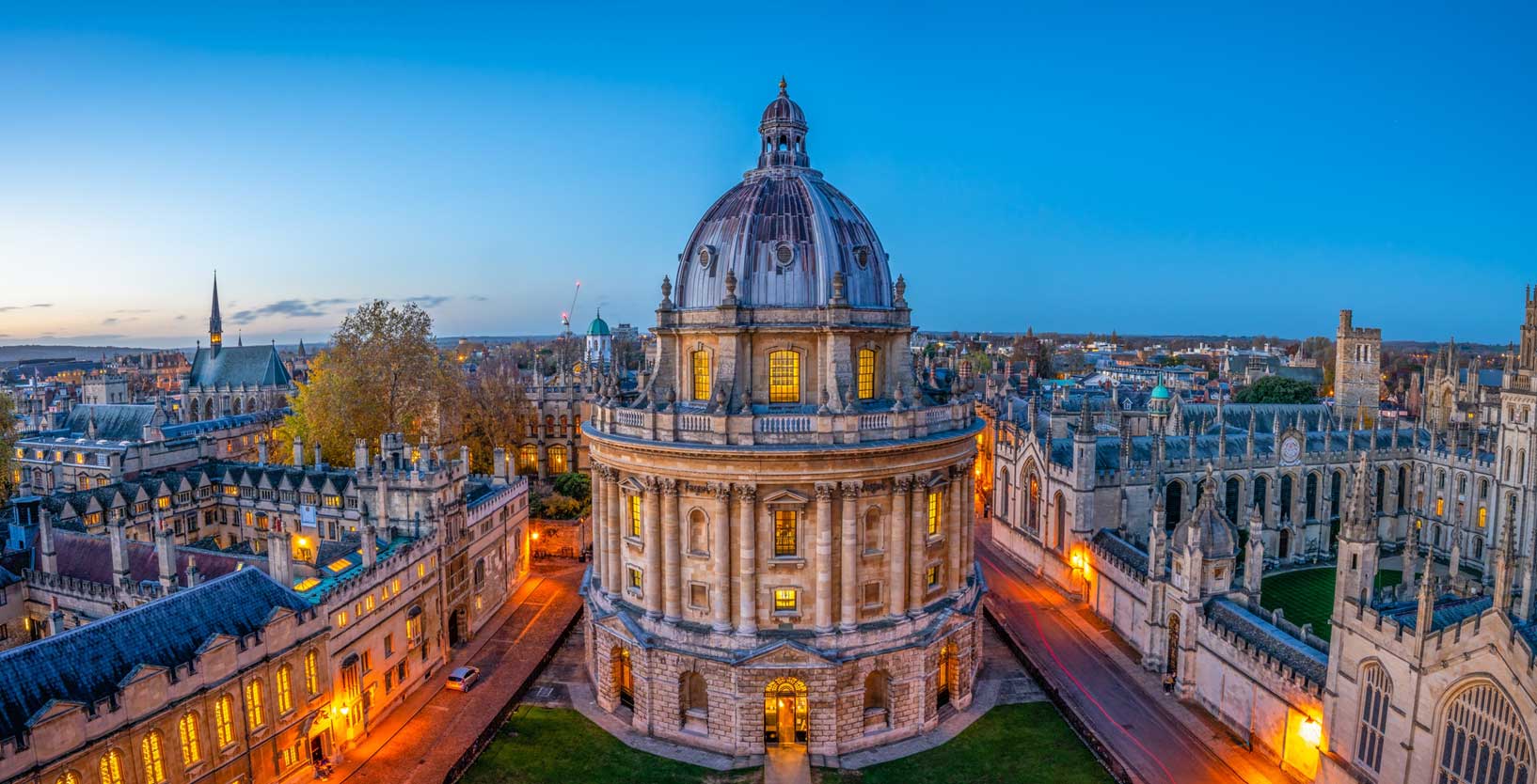
It is a well-known fact that a degree from a prestigious university opens many—if not all—doors. That is precisely why, among other reasons, many people aspire to obtain a degree from such an institution. For most Croatian citizens, studying in Europe is financially much more accessible, especially in European Union countries, due to easier travel and lower tuition costs compared to, for example, the United States.
Interest in studying in Europe increased significantly during the COVID pandemic, when long-distance—especially intercontinental—travel became complicated and difficult. Beyond these practical reasons, Europe truly offers a wealth of institutions where top-quality education is guaranteed, along with excellent opportunities after earning such a degree.

1. Which are the best universities in Europe?
A large number of European universities have roots that go deep into history, and many are renowned for this very reason. Institutions such as Bologna, Sorbonne, Heidelberg, Cambridge, Oxford, and many others have a long and proud tradition of educating bright and ambitious minds.
Some universities have only recently emerged among the most prestigious and top-ranked institutions in Europe and the world. These include many technical and business schools that have rapidly developed over the past decades (throughout the 20th century).
So, if you are interested in studying in Europe and want the best, you certainly have a wide range of options.
Unlike in the United States, where the most prestigious universities are mostly private, Europe is quite different. Only a few private universities rank among the very top, while most are public institutions funded by governments. The good news is that citizens of the European Union have equal rights regarding education across all EU countries. For example, studying in Denmark costs Croatians the same as it does Danish citizens. This applies to tuition and accommodation costs. In some countries, tuition fees are symbolic or even nonexistent, making European universities far more accessible to Croatian standards than those across the “Atlantic.”
The situation in the United Kingdom has changed significantly for the worse after Brexit. EU citizens are no longer treated the same as UK citizens, and tuition fees have risen to the level charged to international students, making studying in the UK very expensive.
2. Advantages of enrolling in top European universities
2.1. Competitiveness and excellence of professors and students
Generally, the higher a university ranks, the more it attracts top experts and distinguished professionals. Professors at such institutions strive to maintain their high rankings, ensuring even better and more thorough education for students. These universities also attract a certain type of student—those who are motivated, ambitious, and purposeful. The prestige of these institutions, combined with relatively lower tuition costs, means they attract top students not only from the EU but from all over the world. Being surrounded by bright, driven individuals makes it easier to stay motivated and strive for excellence.
2.2. Excellent resources
As mentioned, most top European universities are publicly funded by governments and EU funds. However, the more renowned their faculty and research projects, the more funding they attract from the private sector. As a result, leading European universities boast outstanding campuses, modern laboratories, and cutting-edge technology.
2.3. Internships as part of the program
Study programs increasingly include one or two semesters of internships or project-based research. This gives students valuable insight into future careers and helps them make better academic and professional decisions. Universities often partner with top companies and institutions, sending students to intern there—often opening doors to employment after graduation. The work and life experience gained through such opportunities provide a strong competitive advantage in the job market.
2.4. Foundation Year
Some European universities offer a foundation year. If a candidate is promising but does not fully meet admission requirements (e.g., language level or grades in key subjects), they may be offered a preparatory year. This includes academic subjects, skill development, and language improvement. Foundation years are especially common in the UK and in artistic fields.

3. Admission process for top European universities
Admission systems vary by country, making Europe quite diverse in this regard. Some systems have deadlines as early as autumn, while others are in summer. Some require only final exam results and school transcripts, while others require additional standardized tests or entrance exams. Therefore, it is difficult to generalize, but here is a brief overview:
3.1. United Kingdom
The UK has a centralized application system (UCAS) and two deadlines. The first is October 15 and applies only to Oxford and Cambridge. These two universities have a mutual exclusivity rule—you can apply to only one. They often require additional tests such as BMAT, UCAT, or MAT, depending on the program.
The second deadline is January 15 for all other universities (e.g., UCL, King’s College, St Andrews, Imperial). Offers are typically conditional, based on final exam results.
3.2. Ireland
For institutions like Trinity College, the application deadline is February 1, with program choices confirmed by May 1 through the CAO system. Rules differ for mature students and those with special needs.
3.3. Netherlands
The Netherlands has a centralized system, but each university sets its own requirements. Deadlines are generally May 1, though applying earlier is recommended due to housing. Top universities include the University of Amsterdam, Utrecht University, Erasmus University Rotterdam, and Wageningen University.
3.4. Other countries
In Denmark, applications are typically due in March. Germany often keeps applications open until May or June. Italy frequently has multiple deadlines—for example, Bocconi University has its first deadline in December and requires SAT scores or its own entrance exam. Sweden also has multiple rounds, starting as early as October.
4. Application documents
A major advantage for Croatian students is that the national graduation exam (matura) is widely recognized across Europe. Often, no additional exams are required beyond language certificates. However, some programs may still require additional tests.
In addition to transcripts and exam results, applicants often need to submit a motivation letter, answer application questions, and provide a CV. Interviews are less common at the undergraduate level.
Since additional testing is less frequent, universities rely heavily on grades and final exam results. Strong academic performance is crucial—especially in relevant subjects. Even if your overall average is not perfect, strong grades in key subjects can make a significant difference. Many universities offer conditional offers based on final-year performance.
5. Importance of extracurricular activities
Many applicants ask about sports scholarships in Europe. Unlike in the US, intercollegiate sports are less prominent, and sports scholarships are rare. However, extracurricular activities are still important and can strengthen your application.
6. Tuition fees and funding
As EU citizens, Croatians benefit from equal tuition fees across member states. In many countries (Denmark, Sweden, Norway, Germany), education is free. In the Netherlands, tuition is around €2,500 per year, and in Ireland €5,000–€6,000. In the UK, fees range from €20,000 to €40,000 post-Brexit.
Living costs vary depending on the country and city.
Full scholarships covering tuition and living expenses are uncommon. Partial scholarships are more typical. EU countries also offer student loans, and banks provide loans with favorable interest rates.
7. How to maximize your chances of admission
The application process can be complex, so starting early is essential—especially if language certificates or additional tests are required. Writing motivation letters, obtaining recommendations, preparing for interviews, and building a strong CV all require time and effort.
Thorough research and early preparation are key. Applying in the first admission rounds (where applicable) significantly increases your chances. Ideally, you should start planning in your second or third year of high school, as starting in the final year may be too late.
Motivation letters, clearly expressing your career vision, strategic self-presentation, and systematic document preparation can be stressful. To avoid frustration and missed opportunities, consider seeking professional guidance throughout the application process.